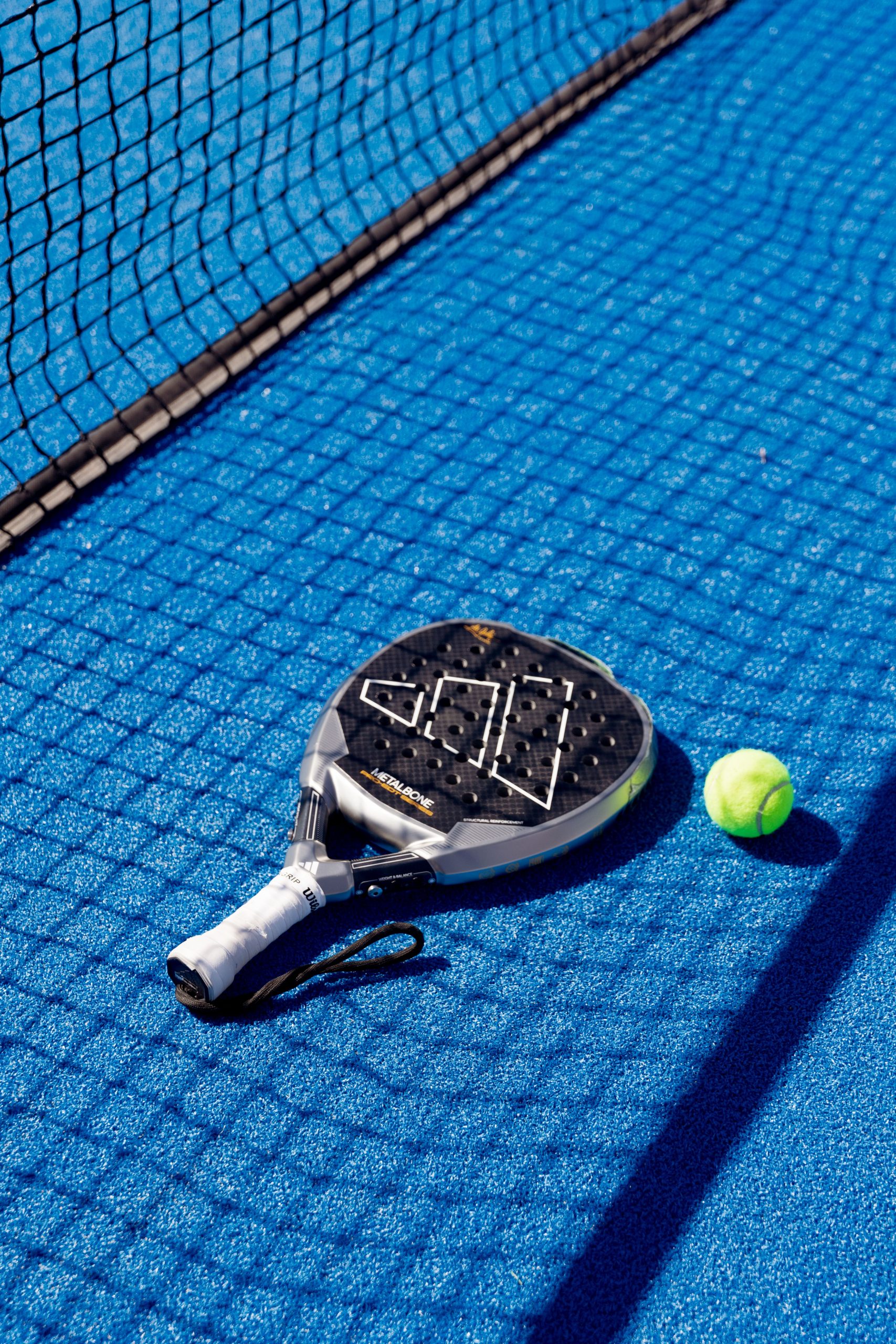

There is something almost classical in the architecture of a padel court — the low glass walls, the enclosed rectangularness of play, the sense of a space carved out of the surrounding city. The Greeks built their gymnasia this way: walled enough to suggest seriousness, open enough to invite an audience. Toronto, a city not historically given to leisure architecture of this kind, has spent the last three years building dozens of these small arenas across its postal codes, from the Distillery District to Oakville to the unglamorous industrial fringes of Woodbridge, and in doing so has stumbled into something like a civic experiment in how a city manufactures community for itself.
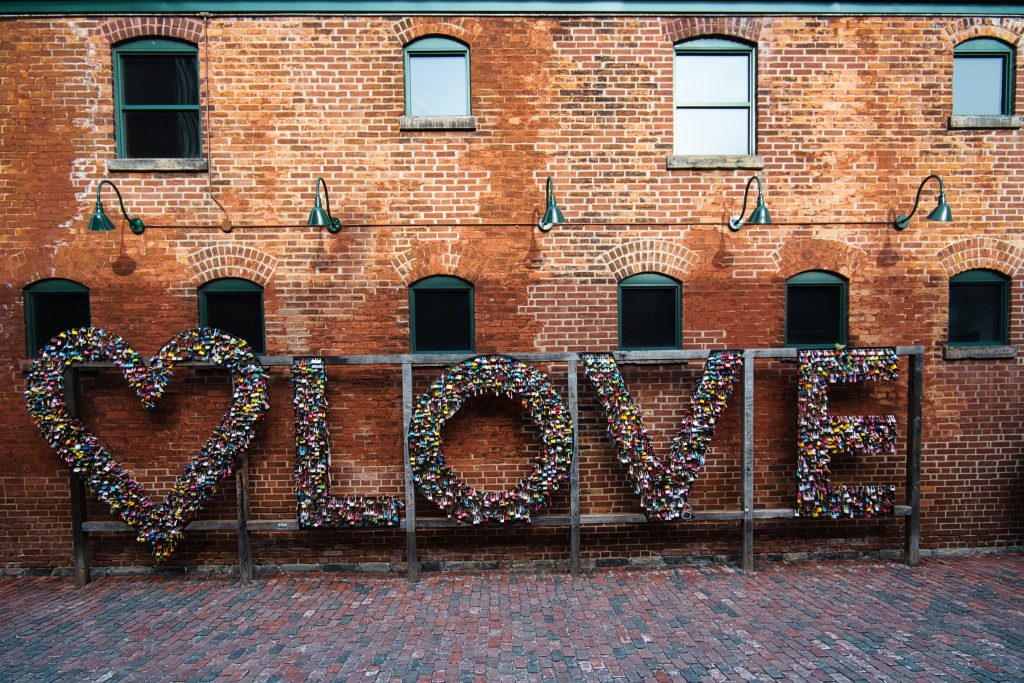
Padel, for the uninitiated, is tennis’s stranger cousin — squash’s enclosure married to tennis’s stroke, played in doubles on a court roughly a third the size, the ball kept alive by walls that turn what would be a winner elsewhere into merely the next exchange. Its arrival in the GTA has followed a recognizable pattern: a handful of pioneering clubs, then a flood. The Pad opened its outdoor courts near the Distillery District and became, by most accounts, the place where a great many Torontonians first picked up a racket. T.10, co-founded by a former Toronto FC forward, brought four indoor courts and the promise of play unbothered by a Canadian February. North Padel Club, CourtX in Oakville, Fairgrounds with its hybrid pickleball-padel model — each new entrant has arrived promising community, and each has been absorbed almost instantly into waiting lists.
What rarely surfaces in common conversations, but sits quietly behind every one of them, is the infrastructure making the frenzy possible at all. A club with four or ten courts, a waitlist of hundreds, a rotating cast of leagues, round robins, and private lessons, cannot run on a notebook and a phone tree. The proliferation of padel in the GTA has been shadowed by a parallel, less visible proliferation: the booking platforms and padel club management software that clubs now depend on to allocate courts. The frustration voiced online at a court vanishing thirty seconds after release is rarely a complaint about a club’s character; it is, more often, a complaint about a queueing system working exactly as designed against more players than it was built to satisfy.
What padel has actually supplied the GTA, beneath the racket sales and the new construction, is something closer to occasion — a recurring, low-stakes reason to leave the house and stand inside a walled rectangle with three other people, win or lose, in a city whose geography otherwise conspires against incidental company. Whether the sport persists at this pitch or settles into something more modest is, like most fashions, a matter the city itself will decide. For now, the courts remain full, the waitlists remain long, and the walled garden keeps admitting new initiates, one impossible-to-book Tuesday evening at a time.